
Sump Pump Installation & Repair
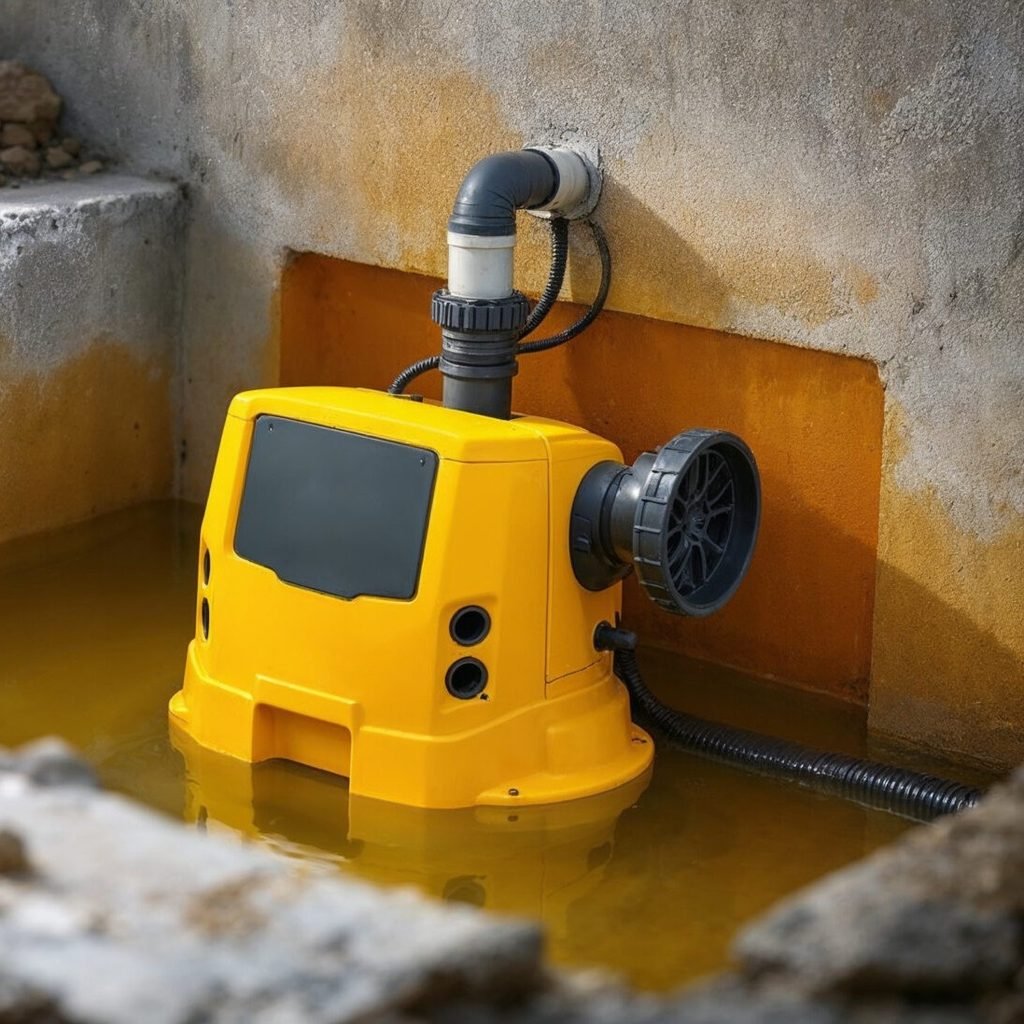
A sump pump has one job: move water out of the lowest point of the house before it spreads. That usually means a basement, a crawlspace, or a mechanical room that sits partially below grade. Groundwater finds its way in through the foundation, especially after heavy rain, and the pump is what keeps it from turning into a flood. When the pump works, you never think about it. When it fails, you usually find out during the heaviest rain of the year. Most failures are predictable: the float gets stuck, the impeller clogs, the check valve fails, or the pump simply reaches the end of its service life. We install, repair, and replace sump pumps, and we check the pit, the discharge line, and the check valve at the same time, because they fail together.
Common problems
- Pump runs but water not moving
- Pump will not turn on at all
- Pump cycles on and off constantly
- Water backing up into the pit
- Float switch stuck or tangled
- Loud grinding or rattling noise
- Discharge line frozen or blocked
What we do
- Diagnose pump, float, and discharge issues
- Clear impeller and pit blockages
- Replace float switches and check valves
- Repair discharge lines and fittings
- Install new sump pumps
- Install or replace sump pits
- Test the system under load before we leave
Services & pricing
- Sump Pump Repair / Diagnostic —
- Sump Pump Installation — Contact for quote
- Sump Pump Replacement — Contact for quote
- Check Valve Replacement (parts included) —
- Float Switch Replacement (parts included) —
All prices are flat rates for standard residential conditions. The $89 call-out fee is added to whichever service you approve. Installation and replacement services are priced individually based on pit size, pump type, discharge routing, and backup power setup.
FAQ
How often should a sump pump be replaced?
Most sump pumps last seven to ten years, depending on how often they run. A pump that runs every time it rains hard will wear out faster than one that runs a few times a year. If your pump is over seven years old and has never been serviced, it is worth having it checked before the next rainy season — especially if it is the only thing keeping your basement dry.
My sump pump runs but does not move water. What is wrong?
Usually one of three things: the impeller is clogged, the check valve has failed, or the discharge line is blocked or frozen. The pump itself is often still fine. We check all three before recommending a replacement, because in most cases the fix is cheaper than a new pump.
What is a check valve, and why does it matter?
A check valve sits on the discharge line and stops water from flowing back into the pit after the pump shuts off. Without a working check valve, the pump cycles on and off constantly — it pushes water up, the water falls back down, and the pump starts again. That short cycling wears out the motor quickly. It is an inexpensive part and worth replacing any time the pump is serviced.
Do I need a backup pump or battery system?
If your basement has finished space or valuable storage, yes. The most common time for a sump pump to fail is during a heavy storm, which is also the most common time for a power outage. A battery backup or a secondary pump keeps the pit dry when the primary pump cannot run. We install both, and we quote them individually based on your setup.
Why is sump pump installation priced individually?
Because the job varies. A like-for-like replacement in an existing pit is one job. A new installation with a new pit, a longer discharge line, or a backup system is a different one. The price depends on pit size, pump type, discharge routing, and whether a backup power setup is being added. We scope it in person, then give you a written quote before any work begins.
How long does a sump pump installation take?
A like-for-like replacement is usually one to two hours. A new installation with a new pit and discharge line takes longer, sometimes most of a day, depending on how the discharge is routed out of the house.
CTA
Sump pump not keeping up, or not turning on? Call or text (778) 683-3344 and describe what is happening. We will tell you what it usually costs to fix.